As February 2026 begins, many Americans are closely watching updates about a one-time federal relief payment being issued through direct deposit. With winter utility bills, medical expenses, and everyday living costs staying high, this payment is meant to ease short-term financial pressure for eligible households. Unlike a regular tax refund, this deposit is not a return of overpaid taxes but a targeted relief measure based on income and filing data already on record.
Purpose of the 2026 IRS Direct Deposit Payment
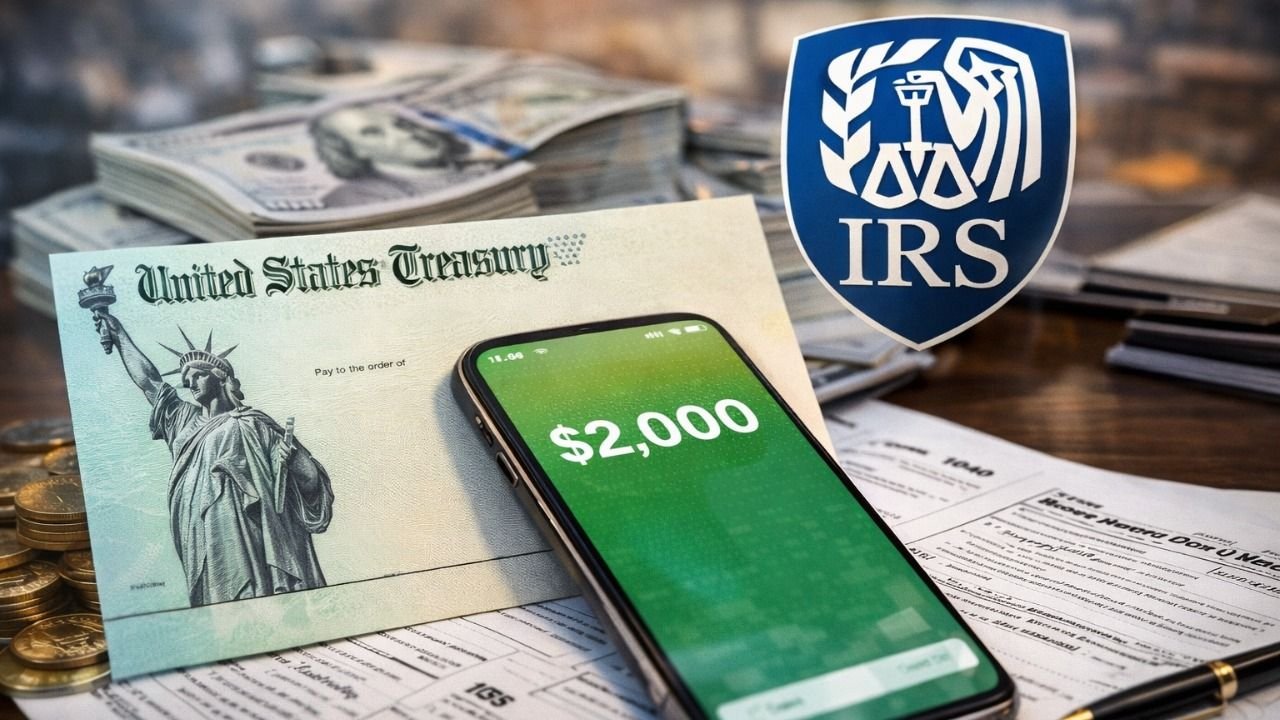
The main goal of the 2026 direct deposit payment is to provide quick financial support during a period when expenses are typically higher. Early in the year, many families face increased costs related to heating, insurance renewals, and healthcare. By issuing a one-time $2,000 payment, federal authorities aim to reduce the need for credit cards or short-term loans to cover essential needs.
This program is designed to move quickly. By using existing systems within the Internal Revenue Service, the government avoids long application processes. This allows funds to reach eligible recipients faster, when they can have the most impact.
यह भी पढ़े:
 IRS Tax Refund 2026 Guide: Processing Timelines, Key Rules, and What Taxpayers Should Expect
 Who Qualifies for the Payment
Eligibility for the 2026 direct deposit payment is based mainly on income and residency information from recent tax filings. The program is structured to benefit individuals and families with low to moderate earnings. Adjusted gross income and filing status are used to determine who qualifies.
Most recipients do not need to apply. The IRS automatically reviews existing records to identify eligible individuals. However, people who have not filed taxes in recent years or whose information is outdated may experience delays. This payment is not a loan and does not need to be repaid in the future.
How This Payment Differs From Tax Refunds
It is important to understand that this relief payment is separate from standard tax refunds. A tax refund comes from overpaid taxes during the year, while this deposit is a direct support measure. Because of this difference, receiving the payment does not reduce future refunds or increase tax liability.

Using the Payment Wisely
Financial experts suggest using the $2,000 payment for essential expenses that improve long-term stability. Paying down high-interest debt or covering overdue utility bills can reduce future financial stress. Households with fewer immediate needs may benefit from placing the funds into savings to strengthen their emergency cushion.
Payment Timeline and Delivery Methods
The IRS is distributing payments in phases. Those with direct deposit information already on file are expected to receive funds first. Paper checks or debit cards will be sent to others, which may take longer due to mailing times. Most payments are expected to be issued within the first quarter of the year.
Disclaimer: This article is for informational purposes only and does not constitute tax, legal, or financial advice. Eligibility, payment amounts, and distribution timelines are subject to official guidance and administrative processing by the Internal Revenue Service. Individuals should rely on official IRS communications or consult a qualified professional for advice specific to their situation.